 Felix Kumuyi
National Single Window & Dantsoho’s “Digital Clean-Up” at Nigerian Ports
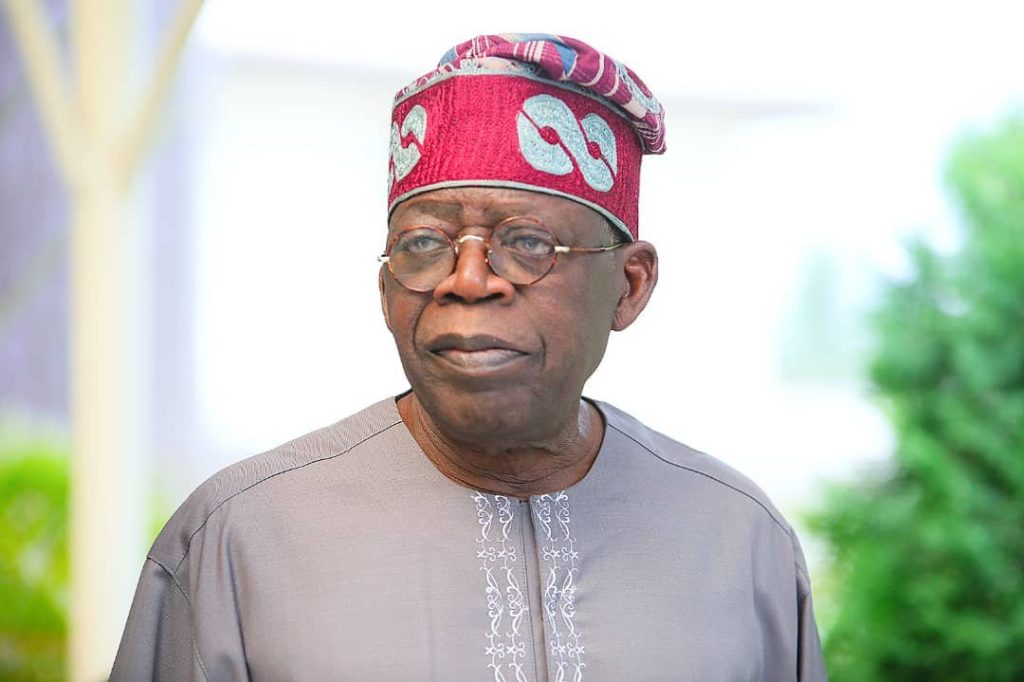
President Bola Ahmed Tinubu
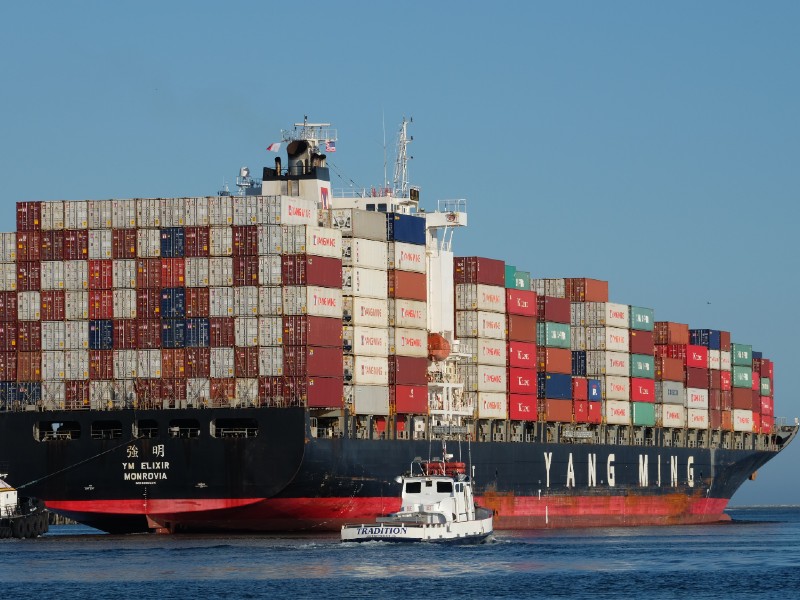
For decades, Nigeria’s ports were clogged, not just with cargo, but with red tape, delays, and a deeply rooted culture of backdoor dealings.
Every shipment moved through layers of “human interface,” where inefficiency thrived and corruption quietly inflated the cost of living.
Dr Abubakar Dantsoho, Managing Director, NPA
That system is now under direct assault.
With the launch of the National Single Window (NSW) platform, the Nigerian Ports Authority (NPA), led by Dr. Abubakar Dantsoho, is replacing discretion with digital precision as a reform.
The reform collapses multiple import and export processes into a single automated platform, cutting out the middlemen who once controlled access and timelines.
This is more than modernization; it is a structural reset. By eliminating physical documentation and face-to-face approvals, the new system shuts down the informal channels where bribes once dictated speed.
For everyday Nigerians, the impact is tangible. Fewer delays at the ports mean lower costs for goods—from food to building materials—previously burdened by hidden charges embedded in a broken system.
At the core of this shift is the Port Community System (PCS), built as the foundation for full automation. Every transaction is now trackable, every delay visible, and every stakeholder accountable.
In this new order, transparency is no longer aspirational—it is coded into the process.
The message is unmistakable: Nigeria’s ports are moving from handshake deals to a push-button economy. And with that shift, a long-standing gateway of inefficiency is finally being forced open for business.
It would be recalled that, the Federal Government on Tuesday, March 24th, 2026, launched the National single window platform, while expressing its commitment to fast, efficient and seamless cargo clearance process at the ports with the.
The Minister of Finance and Coordinating Minister of the Economy, Wale Edun, during the exercise described the unveiling as a major milestone under the economic reform agenda of President Bola Ahmed Tinubu, noting that previous attempts at implementing a single window system had not succeeded. He said the initiative represents a shift from fragmented and inefficient trade processes to a more coordinated and technology-driven system.
According to him, the platform is designed to reduce the time and cost associated with import and export transactions, while improving transparency and overall efficiency in the system. “This is a defining moment,” Edun said. “We are moving from complexity to clarity, from fragmentation to coordination, and from delay to efficiency.”
Also the Minister of Industry, Trade and Investment, Jumoke Oduwole, at the event said the National Single Window would allow traders to submit all required documentation through a single portal, eliminating the need to deal with multiple government agencies.
She noted that the new system, which according to her the Implementation would go live on March 27, 2026, would simplify trade procedures, reduce duplication of documentation, and enhance investor confidence.
“In simple terms, it is one portal, one submission, one coordinated process,” she said, adding that the reform would position Nigeria more competitively in regional and global trade.
He explained that the first phase of the rollout would cover the processing of import licenses, permits, and certificates for key regulatory agencies, including NAFDAC and SON, through the single platform.
Fakolade added that a pilot phase for cargo manifest submissions would commence with selected shipping lines and air cargo operators, with full integration expected by May 1, 2026.
He further disclosed that the system incorporates a risk management framework that enables regulatory agencies to assess importers based on compliance history, a move expected to reduce physical inspections and speed up cargo clearance for compliant traders. In addition, all payments related to import processes under the platform would be handled digitally, further enhancing transparency and efficiency.
Edun, however, stressed that the success of the initiative would depend not only on the digital platform but also on improvements in physical infrastructure, particularly at the nation’s ports. “A digital platform alone does not move goods,” he said, warning that inefficiencies in port operations could undermine expected gains.
The government said the National Single Window forms part of a broader strategy to achieve sustainable economic growth, with a medium-term target of seven per cent annually, driven in part by improved trade facilitation.
Chairman of the National Revenue Service, Zacch Adedeji, commended the collaboration among government agencies and private sector stakeholders that made the project possible.
The National Single Window is expected to significantly reduce trade delays, lower transaction costs, and enhance Nigeria’s competitiveness in the global market.
It is however highly commendable that the Nigerian Ports Authority (NPA) on whose shoulder, the bulk of the implementation of the National Single Window falls, has started on a right footing, charting a path others should follow.

 admin
admin