 Felix Kumuyi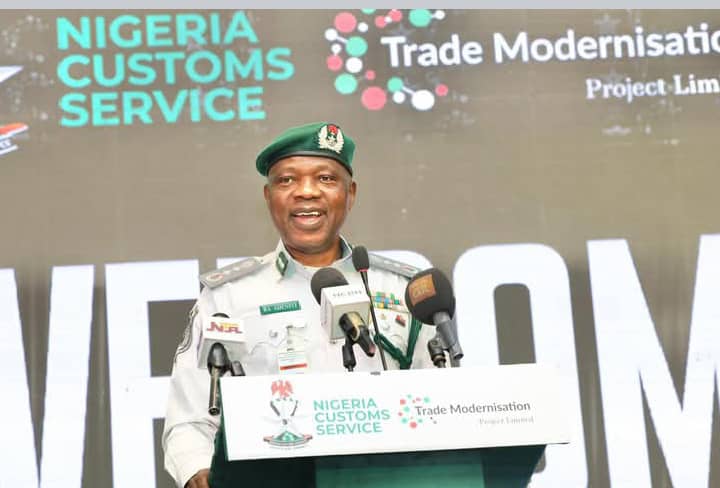
Nigeria’s trade community has been ushered into a new era of digital administration following the formal rollout of an automated licenses and permits system by the Nigeria Customs Service.
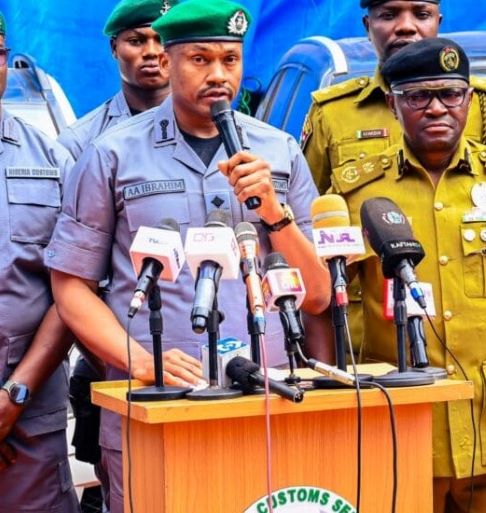
The sensitisation programme, held at the Customs Training College Auditorium in Ikeja on February 23, 2026, drew key industry stakeholders, customs officers and trade associations eager to understand how the innovation will reshape regulatory compliance.
Delivering the keynote address as Special Guest of Honour, Assistant Comptroller-General Mohammed Babandede, said the reform represents a deliberate effort by the Comptroller-General of Customs, Bashir Adewale Adeniyi, to build a faster, fairer and more transparent system.
“Automation means you will no longer need to physically visit Customs offices to process your licences,” he told participants. “Applications can now be made digitally, tracked in real time and processed uniformly.”
Officials explained that the initiative is central to improving ease of doing business while strengthening government revenue streams.
Each licence and permit processed attracts statutory fees and supports lawful importation and regulated trade. By eliminating bottlenecks and manual delays, Customs expects greater productivity from officers and improved compliance from stakeholders.
Comptroller Ngozika Anozie, in her remarks, described the automation as another milestone in the Service’s modernisation agenda, urging officers and stakeholders alike to embrace the innovation.
She noted that officers across commands have already undergone training and that detailed handbooks and step-by-step guides will be distributed to ensure smooth transition.
Assistant Comptroller Nkiruka Okoye outlined the operational framework, explaining that the digital system now covers major licences and permits, including those for customs agents, bonded warehouses, ship chandlers, ethanol imports and tobacco products.
She reaffirmed that the reform aligns Nigeria with international trade facilitation standards and strengthens oversight capabilities.
Industry leaders expressed cautious optimism.
Prince Segun Oduntan of the Association of Nigerian Licensed Customs Agents said the initiative would ease business operations once fully stabilised.
“In every new system, there will be early challenges,” he noted. “But we are ready to embrace anything that makes our work seamless and globally competitive.”
Observers believe the success of the initiative in Lagos — widely regarded as Nigeria’s busiest trade hub — will determine how quickly the model is replicated nationwide.
As the Service continues its modernisation push, the message to the trade community is clear: Nigeria Customs is moving from paperwork to platform — and the future of licensing is digital From Paper to Platform: Nigeria Customs Launches Seamless Digital Licensing Regime
Nigeria’s trade community has been ushered into a new era of digital administration following the formal rollout of an automated licences and permits system by the Nigeria Customs Service.
The sensitisation programme, held at the Customs Training College Auditorium in Ikeja on February 23, 2026, drew key industry stakeholders, customs officers and trade associations eager to understand how the innovation will reshape regulatory compliance.
Delivering the keynote address as Special Guest of Honour, Assistant Comptroller-General Mohammed Babandede, said the reform represents a deliberate effort by the Comptroller-General of Customs, Bashir Adewale Adeniyi, to build a faster, fairer and more transparent system.
“Automation means you will no longer need to physically visit Customs offices to process your licences,” he told participants. “Applications can now be made digitally, tracked in real time and processed uniformly.”
Officials explained that the initiative is central to improving ease of doing business while strengthening government revenue streams.
Each licence and permit processed attracts statutory fees and supports lawful importation and regulated trade. By eliminating bottlenecks and manual delays, Customs expects greater productivity from officers and improved compliance from stakeholders.
Comptroller Ngozika Anozie, in her remarks, described the automation as another milestone in the Service’s modernisation agenda, urging officers and stakeholders alike to embrace the innovation.
She noted that officers across commands have already undergone training and that detailed handbooks and step-by-step guides will be distributed to ensure smooth transition.
Assistant Comptroller Nkiruka Okoye outlined the operational framework, explaining that the digital system now covers major licences and permits, including those for customs agents, bonded warehouses, ship chandlers, ethanol imports and tobacco products.
She reaffirmed that the reform aligns Nigeria with international trade facilitation standards and strengthens oversight capabilities.
Industry leaders expressed cautious optimism.
Prince Segun Oduntan of the Association of Nigerian Licensed Customs Agents said the initiative would ease business operations once fully stabilised.
“In every new system, there will be early challenges,” he noted. “But we are ready to embrace anything that makes our work seamless and globally competitive.”
Observers believe the success of the initiative in Lagos — widely regarded as Nigeria’s busiest trade hub — will determine how quickly the model is replicated nationwide.
As the Service continues its modernisation push, the message to the trade community is clear: Nigeria Customs is moving from paperwork to platform — and the future of licensing is digital.

 admin
admin