 Felix Kumuyi

Adigun Led KLT Customs Targets 24-Hour Cargo Clearance, Pushes Operational Independence

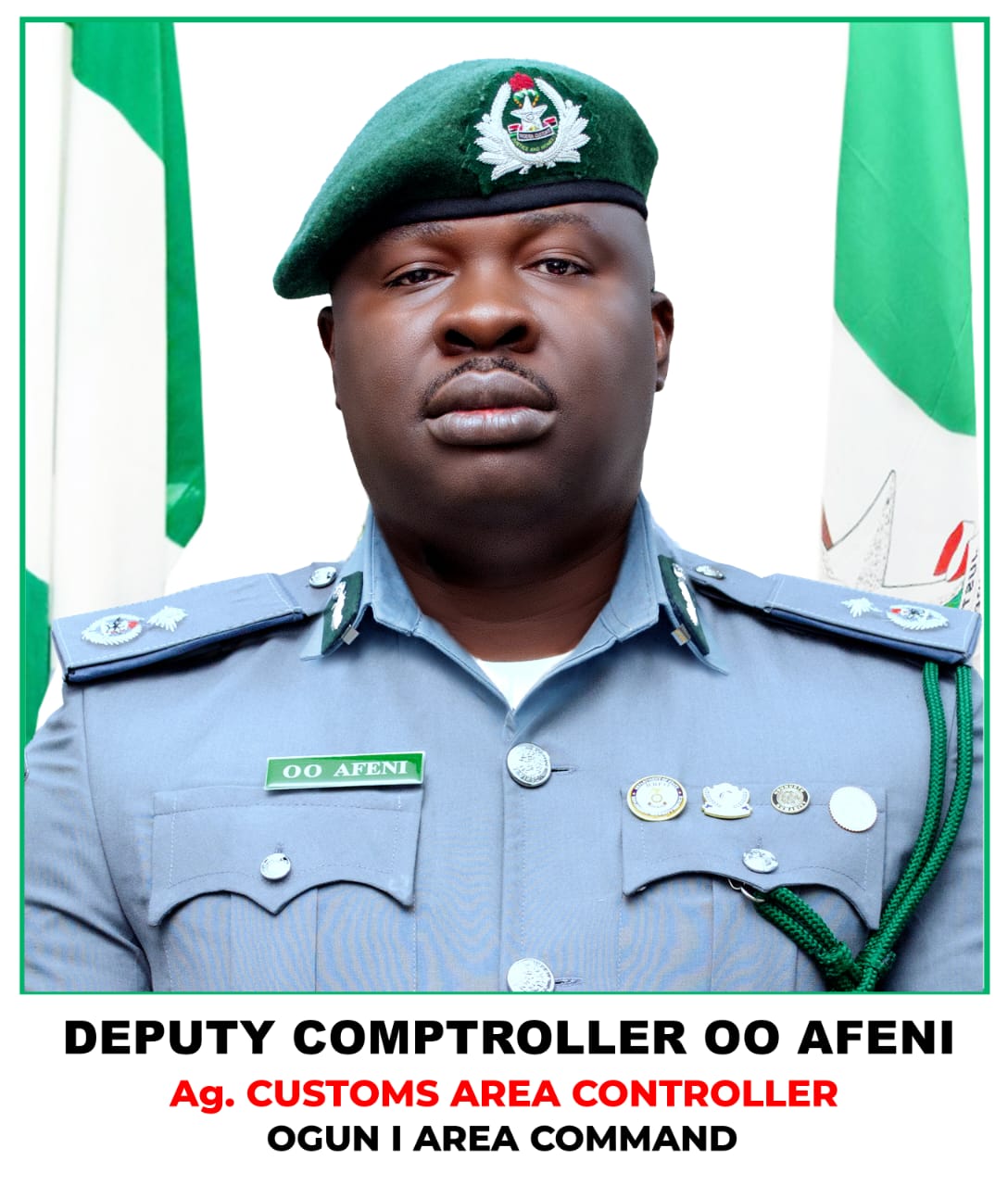
Deputy Comptroller Bolaji Lukmon Adigun, Ag. Customs Area Controller Kirikiri Lighter Terminal (KLT) Command.
The Kirikiri Lighter Terminal (KLT) Command of the Nigeria Customs Service is charting a bold path toward operational efficiency and reduced dependence on cargo transfers, with a strong focus on achieving 24-hour cargo clearance and boosting direct vessel traffic to the terminal.
Speaking during an exclusive interview with TransQuest Media, the Acting Customs Area Controller, Deputy Comptroller Bolaji Lukmon Adigun, outlined a reform-driven agenda anchored on collaboration, innovation, and strategic engagement with stakeholders to reposition the command within Nigeria’s port ecosystem.

Adigun noted that while KLT has traditionally relied heavily on transire cargo from major seaports such as Apapa and Tin Can Island, deliberate efforts are underway to change that narrative by attracting direct vessel calls to the terminal.
He disclosed that engagements with shipping companies, particularly MSC, have already begun yielding results, with vessel calls at the Bestaf Terminal increasing from once a month to three times monthly—an improvement he described as a product of sustained collaboration.
“We are not just waiting for transfers anymore. We are actively working to ensure vessels berth here directly. Once we achieve that across multiple terminals, dependence on transire cargo will reduce significantly,” he said.
Beyond vessel traffic, the KLT boss emphasised that efficient cargo examination remains central to revenue generation, stressing that proper classification, valuation, and deployment of knowledgeable officers are critical to blocking leakages and ensuring government earnings are optimised.
On trade facilitation, Adigun highlighted the impact of ongoing Customs modernisation, particularly the Unified Customs Management System, which has significantly reduced physical interactions within the command.
“Most processes are now digital. Importers can make declarations from their homes, and cargo clearance has become faster and more transparent. The days of congestion at the CPC are gradually disappearing,” he explained.
The CAC also pointed to improved compliance levels among stakeholders, attributing it to sustained dialogue and regular engagement forums where concerns are addressed collaboratively.
According to him, the command maintains strong working relationships with the Nigerian Ports Authority (NPA), security agencies, and other critical stakeholders, fostering a stable operational environment.
Despite these gains, Adigun acknowledged that declining trade volumes and reliance on transire cargo remain key challenges. However, he expressed confidence that ongoing efforts to attract more vessel traffic would provide a long-term solution.
Looking ahead, he assured stakeholders of faster service delivery, noting that the command is working toward a system where cargo declared in the morning can be cleared before the end of the day.
“Our goal is simple—efficiency, collaboration, and timely delivery. We want KLT to become a hub where cargo clearance is seamless and predictable,” he added.

 admin