 admin
Seme-Krake Vehicle Ban May Go as Nigeria, Benin Deepen Border Trade Cooperation
… Customs CG says stronger Nigeria-Benin trade links to pave way for review of restrictions

The long-standing restriction on the movement of vehicles through the Seme-Krake land border may be reviewed if the emerging Nigeria-Benin Republic trade interconnectivity arrangement delivers the seamless border operation now being planned by both countries.
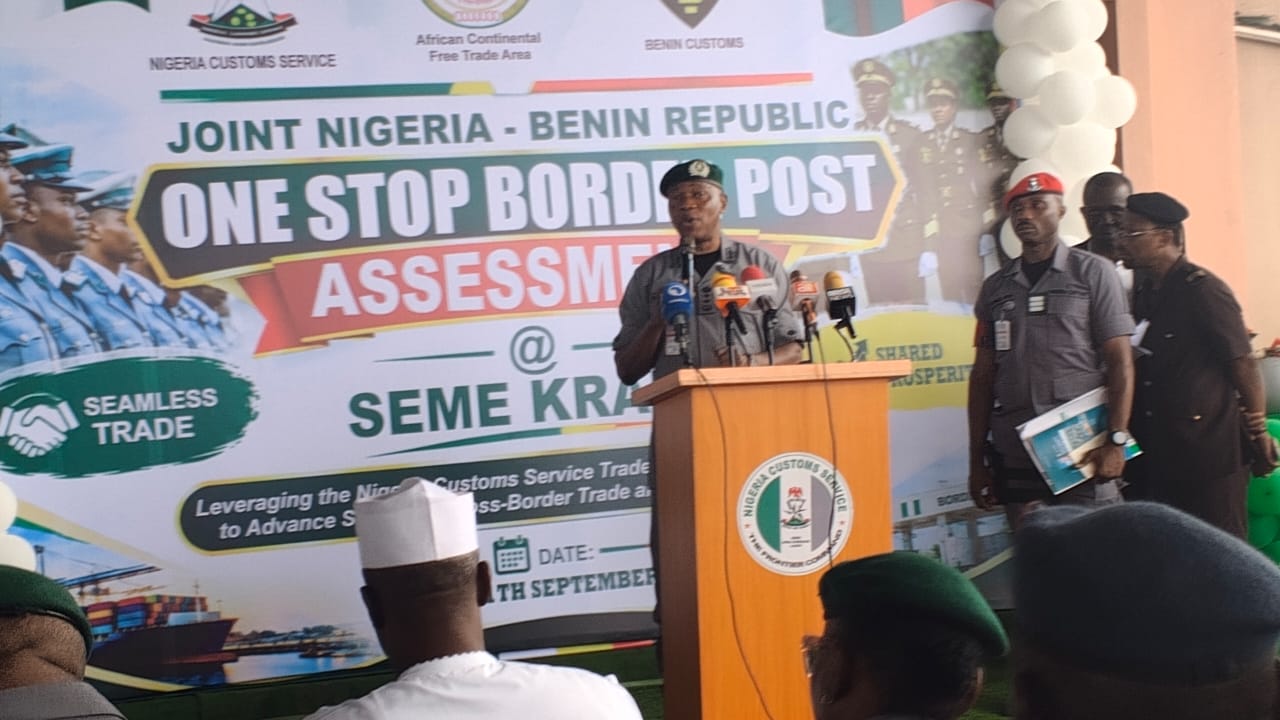
Comptroller-General of the Nigeria Customs Service (NCS), Bashir Adewale Adeniyi, MFR, gave the indication on Friday, September 11, 2026, at Seme, saying the vehicle issue could not be treated in isolation from the wider effort to improve trade relations between the two neighbouring countries.
His position came in response to an appeal by the Chairman of the Association of Nigerian Licensed Customs Agents (ANLCA), Seme Chapter, Alhaji Toyin Wasiu, who called for the restriction on vehicles coming through the border to be lifted.
Wasiu, speaking on behalf of traders, freight forwarders and clearing agents, said removing the restriction would give legitimate businesses along the Seme corridor a major boost.
But Adeniyi said the success of the new joint border-management and trade-interconnectivity framework would be critical to any decision on existing restrictions.
“Like the ANLCA Chairman requested in his remarks, we are all here to achieve the process for seamless trade,” the CGC said.

He explained that once the interconnectivity arrangement becomes fully operational and demonstrates measurable success, Customs would have stronger grounds to project the gains and work towards harmonising restrictions affecting cross-border trade.
For Adeniyi, however, technology and infrastructure alone will not deliver seamless trade.
He stressed that trust and compliance must come first, particularly among Customs administrations, government agencies, traders and other stakeholders operating on both sides of the border.
According to him, sustained compliance will build confidence and create mutual benefits in the movement of goods and people, while opening up more opportunities for businesses in Nigeria, Benin Republic and the wider West African market.
The CGC therefore challenged the two Customs administrations to strengthen mutual trust, improve joint operations and make the assessment of goods and movement more coordinated.
He said such progress would provide the evidence needed for governments to gradually reconsider restrictions affecting legitimate trade.
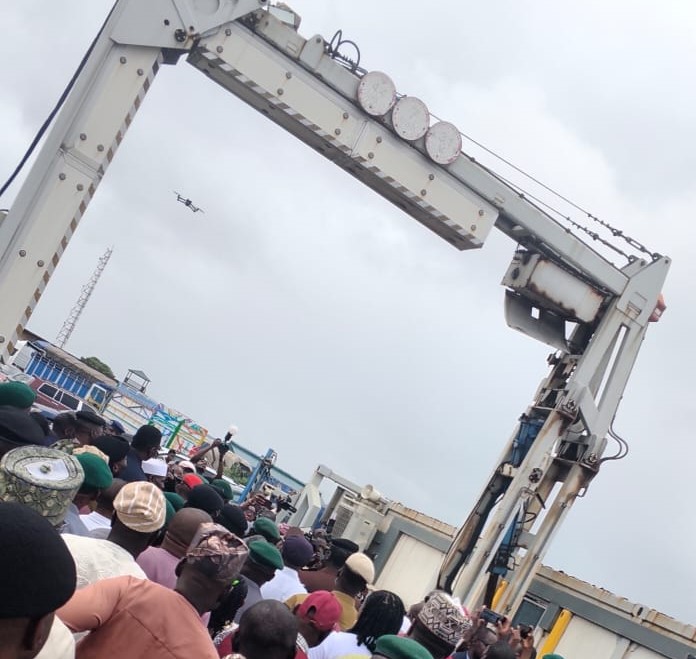
Adeniyi spoke against the backdrop of the launch of the Joint Nigeria-Benin Republic One Stop Border Post Assessment, an initiative aimed at improving cooperation between the two Customs administrations and reducing duplication in the assessment of cross-border trade.
The initiative is expected to promote better coordination and create a more predictable trading environment along the busy Seme-Krake corridor.
Instead of operating as two disconnected border points, the emerging arrangement seeks to bring the two sides closer operationally, making the process easier and more transparent for legitimate traders and travellers.
The Director-General of Benin Customs, Col. Raouf Malehhossou Aboudou, commended Adeniyi for what he described as a pragmatic approach to improving trans-border trade.
Aboudou pledged the support of the Benin Customs administration for the new joint assessment arrangement, assuring that his officers were ready to work with their Nigerian counterparts to achieve its objectives.
Also speaking, the Seme Customs Area Controller, Comptroller Abdullahi Shuaibu Kaila, expressed appreciation to both Customs chiefs for their commitment to giving seamless cross-border trade renewed momentum.
Traditional rulers and community leaders from both sides of the border also welcomed the initiative, stressing the importance of smoother legitimate movement and stronger cooperation.
For communities around Seme-Krake, the border is more than an enforcement post. It is a major economic lifeline supporting thousands of traders, transporters, businesses and families.
The message from the Customs leadership is therefore clear: the door to reviewing existing restrictions may be open, but greater freedom of movement will depend on stronger compliance, effective interconnectivity and mutual confidence.
For traders waiting for the vehicle restriction to be lifted, the new One Stop Border Post assessment could provide the platform to make that conversation possible.